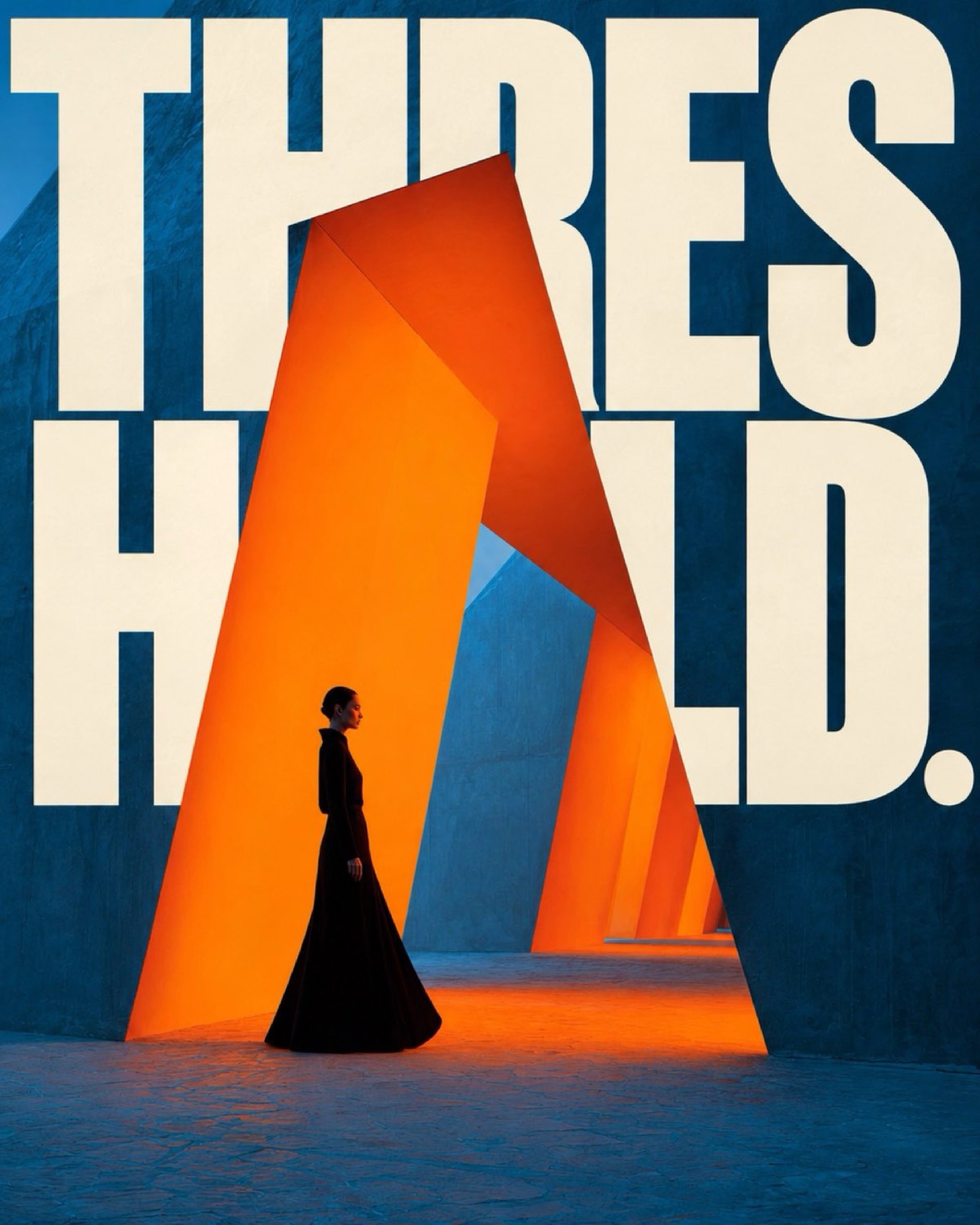
When technology makes it easier to generate beautiful imagery, creative direction becomes more important, not less. A compelling image is not automatically a compelling idea.
That belief is the reason I started Beyond the Prompt, a collection of concept-led projects exploring how generative technology, graphic design and human imagination can work together.
The idea comes first
Every series starts before the first image is generated. I define what the work needs to say, who it is for and the tension it is responding to. Then I write the visual rules: colour, composition, light, casting, texture and type.
Only then does the machine come in.
The technology expands the possibilities. The direction decides what is worth making.
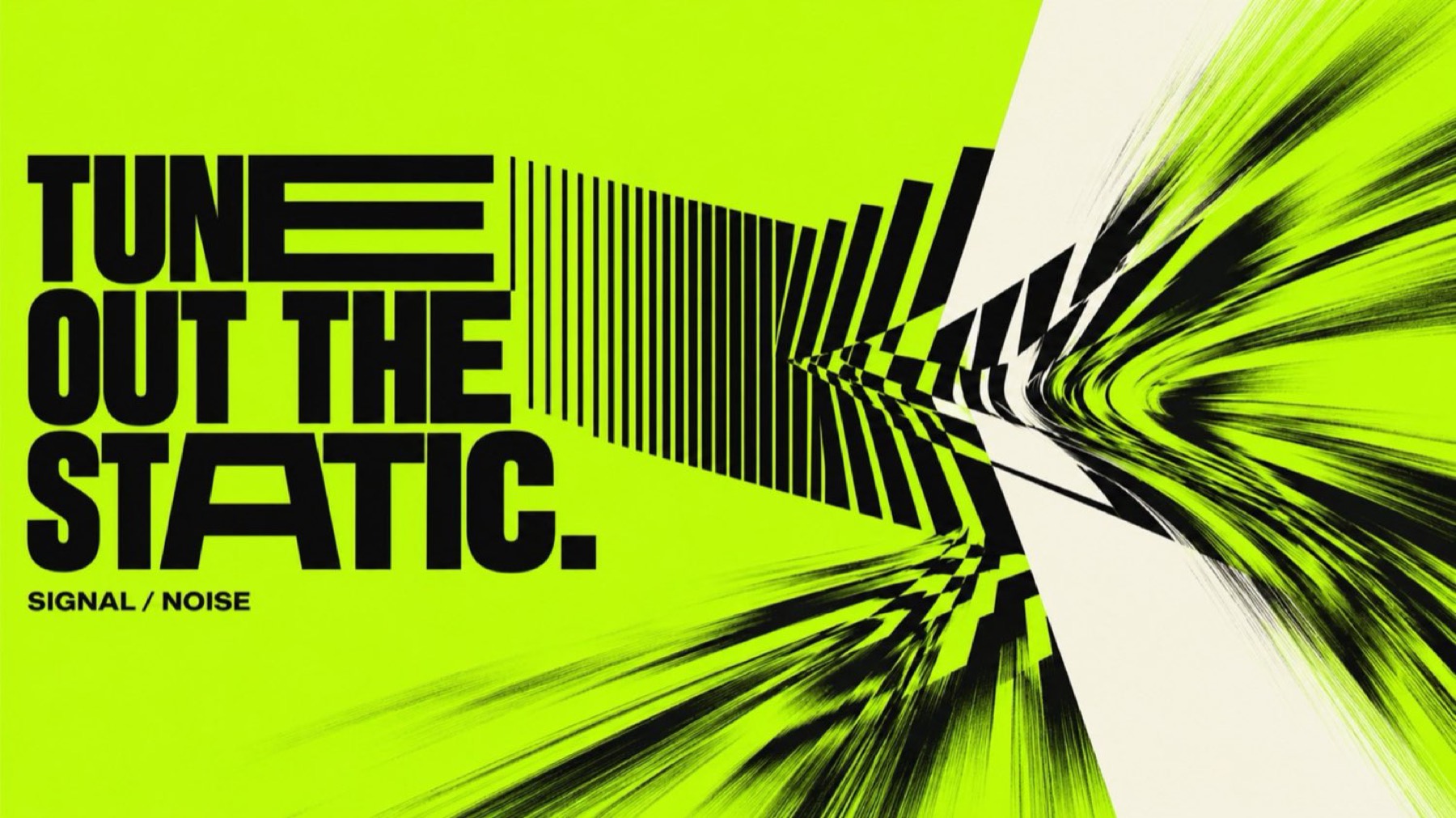
Rules make the work recognisable
Threshold, a fashion campaign about the moment between who you were and who you are becoming, runs on a handful of rules. Orange and blue only. One figure, always small against the architecture. Wet floors for reflection. Letters hidden behind the arch, so the words cross the threshold too.
Those rules do two things. They keep the series consistent, so it reads as one campaign rather than a folder of nice pictures. And they give me a way to judge every output. If an image breaks a rule, it does not make the edit, however beautiful it is.
Direct, then edit ruthlessly
Working with AI feels a lot like directing a shoot. You brief, you reference, you review, you give feedback and you go again. The difference is the speed and the volume. That makes the edit the most important part of the process.
Out of many generations, only a few survive. The rest are useful for one thing: teaching me what the idea is not.
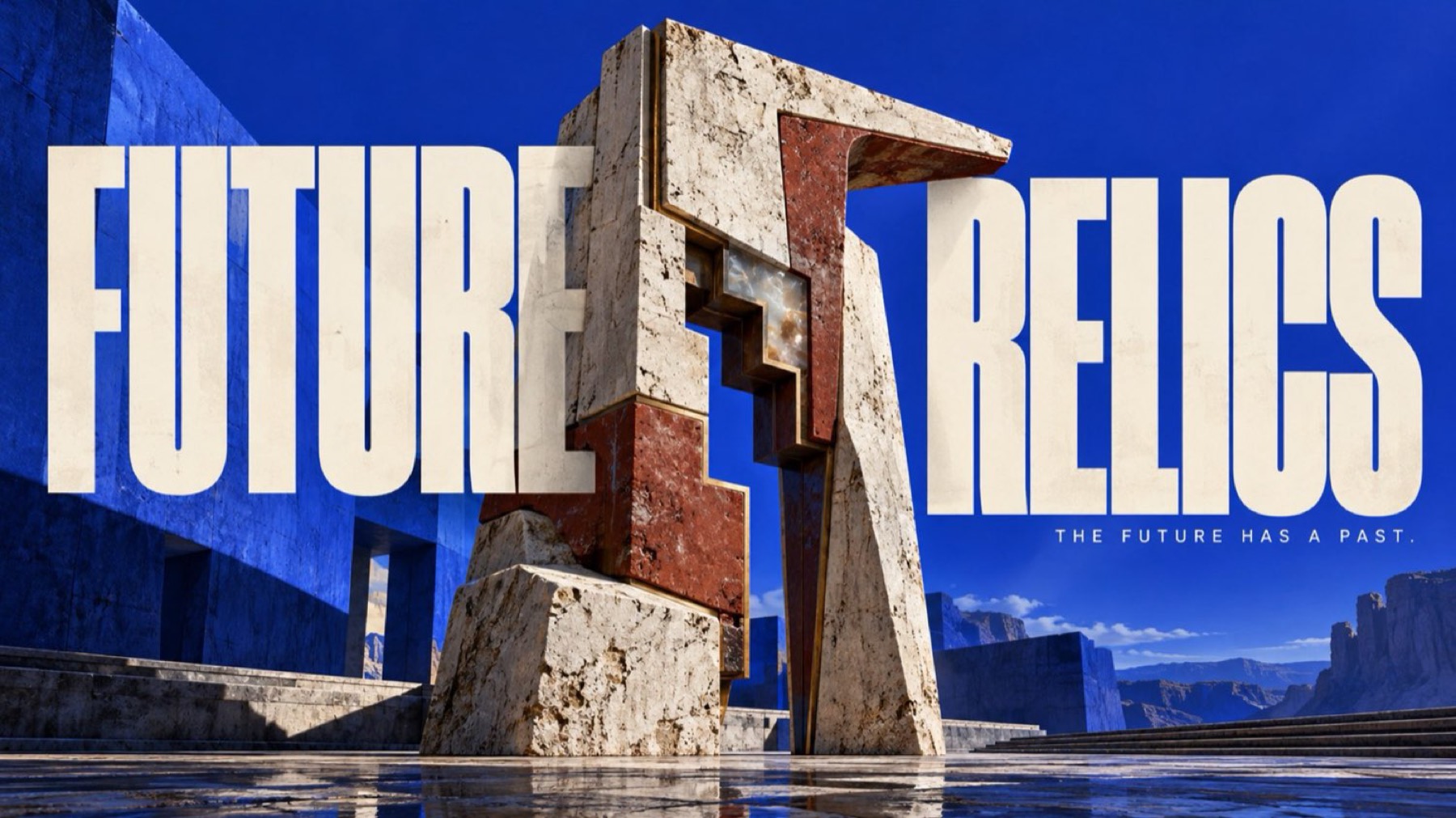

What stays human
The concept, the insight, the art direction, the typography, the layout and the final call all stay with me. AI is my production studio, not my creative director.
I think that is the healthiest way to use these tools. Not as a shortcut to an image, but as a way to explore more directions, faster, and then design something with real intention.
The idea was always the point.